
1. Define the guest promise
Name who the retreat serves, the program’s purpose, the level of physical or emotional intensity, and what guests should not expect. Avoid medical or guaranteed transformation claims.
2. Confirm dates and real capacity
Share a preferred window and alternatives. Reconcile every guest, facilitator, and staff bed against current inventory, then confirm overnight and event capacity in writing before accepting deposits.
3. Build the room and meal plan
Document room assignments, bathroom needs, accessibility, allergies, meal count, service style, honey disclosure, and who handles changes. Do not rely on an old public rate or menu.
4. Design for Hawaiʻi logistics
Plan flights, vehicles or confirmed transportation, check-in windows, rural roads, rain, sun, rest, and realistic transitions. Leave guests enough unprogrammed time to settle into the place.
5. Agree on operating responsibility
Put registration ownership, guest communication, payments, cancellation terms, insurance, emergency contacts, on-site support, and retreat-leader responsibilities into a shared written plan.
6. Open registration after confirmation
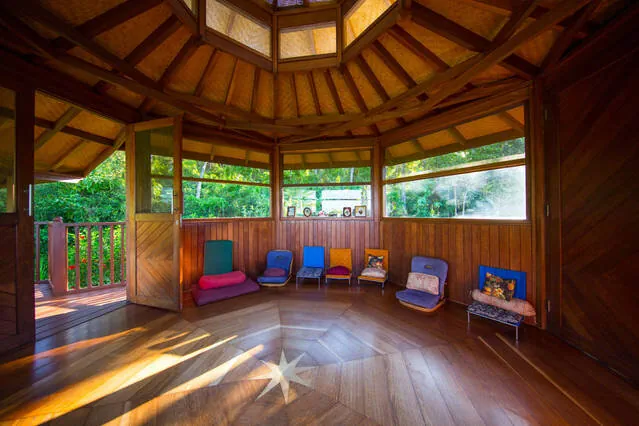
Publish only the dates, accommodations, food, transport, schedule, and inclusions that KMEC has approved. Give guests a precise description of the center’s simple ecological setting.